• About
  • Colonel Unthank and the Golden Triangle (Unthank #1)
  • Colonel Unthank’s Norwich #2
  • Contact
  • Latest Colonel Unthank’s Norwich Book #3
  • Posts

COLONEL UNTHANK'S NORWICH

~ History, Decorative Arts, Buildings

COLONEL UNTHANK'S NORWICH

Tag Archives: Quantrell’s Gardens

Late Extra: The Norwich Pantheon

01 Friday Feb 2019

Posted by reggie unthank in Norwich buildings, Norwich history, Norwich maps

≈ 16 Comments

Tags

Norwich Pantheon, Norwich pleasure gardens, Norwich Victoria Station, Quantrell's Gardens, RanelaghGardens, Victoria Gardens

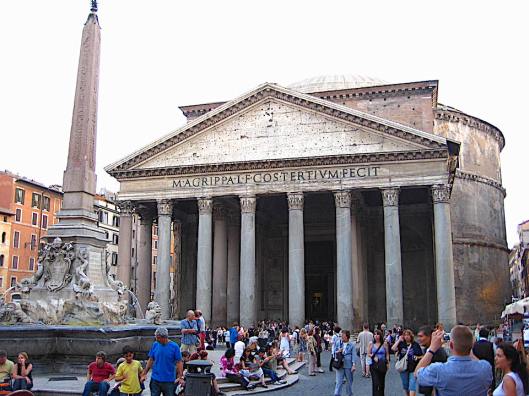
Once, I stayed in a hotel next to the Pantheon in Rome. Constructed some 2000 years ago it is a breath-taking example of the Roman genius for engineering – its circular rotunda spanned by the world’s largest unreinforced concrete dome. Surely, anything bearing that name in Norwich could only be a much-diluted version of the Roman Pantheon so what was ours really like? Two weeks after my previous post [1] I received fascinating correspondence that I show here in order to set the historical record straight. First, a brief recap.
RomanPantheon.jpg

The portico of the Roman Pantheon with the rotunda behind

Pantheon2.png

The dome was coffered with diminishing panels to lighten the weight. The central oculus is open to the weather. Built ca 100AD

In my previous post on Norwich Pleasure Gardens I mentioned London’s Pantheon  – an impressive structure that prompted the building of our provincial version. The 1000-seat Norwich Pantheon was erected in New Spring Gardens – later called Vauxhall Gardens – on the riverside, off King Street.
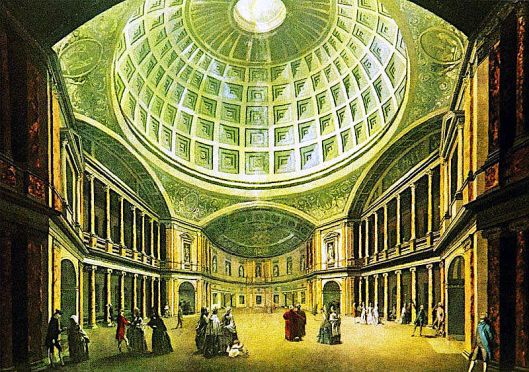
800px-Pantheon_painting,_probably_by_William_Hodges_with_figures_by_Zoffany_edited.jpg

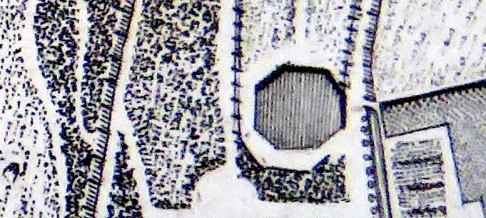
The clues to Norwich’s own  Pantheon are few and start with Hochstetter’s map of 1789.
HochstetterOctagon.jpg

Hochstetter’s plan of 1789, courtesy of Norfolk Record Office

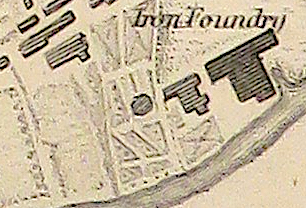
This map clearly shows that the Norwich Pantheon on Riverside was originally octagonal, as does Cole’s map of 1807.
Cole NMS2.jpg

Cole’s plan of 1807 with The Pantheon at centre. Courtesy Norfolk Museums Service

However, Cole is thought to have based his map on Hochstetter’s earlier survey [see 2] and in 1807 he wrongly drew The Pantheon in this riverside location from which it had been absent for about a decade. In the 1790s Samuel Neech had bought the defunct Vauxhall gardens, including its Pantheon, and used the building materials to construct a new rotunda (for which he retained the old name of The Pantheon) in his own Ranelagh Gardens. This rival garden – situated just off the present-day St Stephens roundabout – now had a building that is said to have accommodated 2,000 persons [3]. (These pleasure gardens had various owners who gave them different names but for simplicity’s sake I will call them ‘Ranelagh/Victoria Gardens’ here.)RanelaghPantheon.jpg

In 1849 the Ranelagh/Victoria Gardens were bought by the Eastern Union Railway Company who repurposed the existing buildings [3]. Fortunately, Norwich Victoria Station survived well into the C20 so photographs exist.

Pantheon30129028206374.jpg

The booking office of Norwich Victoria Station 1913. Courtesy Norfolk County Council at Picture Norfolk

I ended the previous post by asking if we could be looking at The Norwich Pantheon, a ghost from over two centuries ago.

––––––––––––––––––––––––––––––––––––––––––––––––––––––––––––––––––

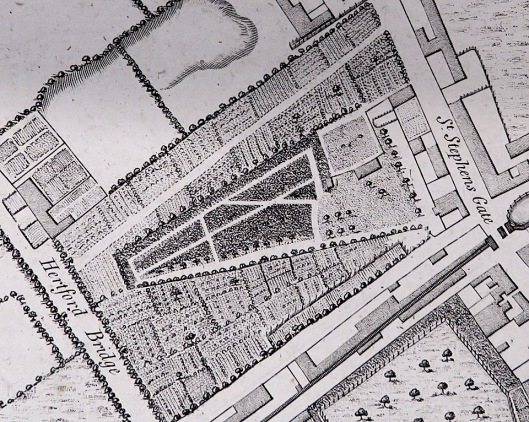
It was at this stage that Bill Smith – a railway enthusiast who had come to Victoria Station from a different angle – asked if there was evidence that the above building was  the fabled Pantheon. The booking office in the photograph approximates to a circular form rather than the distinct octagon shown in Hochstetter’s map. Might it therefore be a different building, such as the ‘amphitheatre’ that a previous owner is said to have constructed eight years before The Pantheon appeared on the site [3]? Unfortunately, Hochstetter’s plan shows no large buildings on the Ranelagh/Victoria site.
IMG_0090.jpg

Ranelagh Gardens from Anthony Hochstetter’s Plan of 1789. Courtesy of Norfolk Museums Service

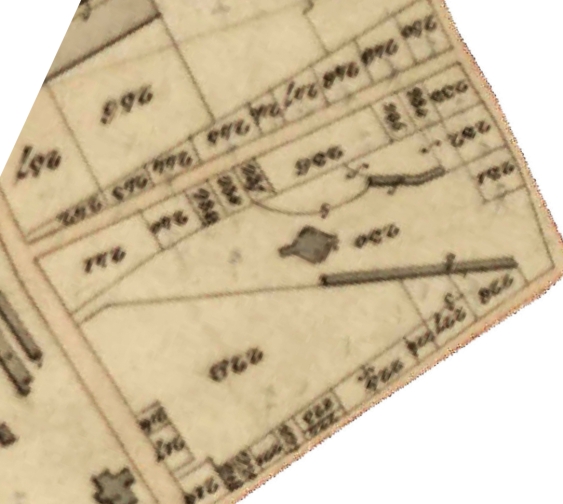
But, using the excellent Norfolk Map Explorer (http://www.historic-maps.norfolk.gov.uk/), Bill had downloaded the 1842 tithe map that does show a building on the Ranelagh/Victoria Gardens plot. It is hard to make out whether the building is circular or octagonal.
1840 Victoria station site Clive2.jpg

Building 230 on the 1842 tithe map. ©2012 Norfolk County Council

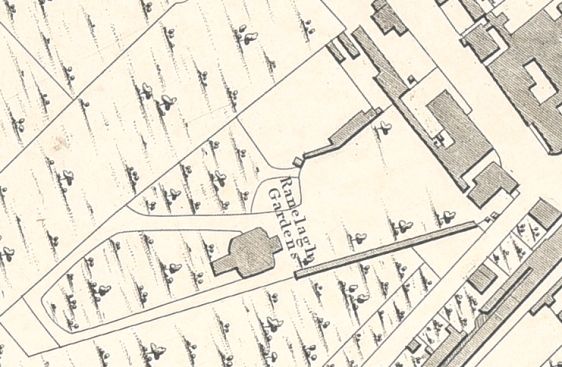
However, the 1830 map by WS Millard and J Manning gives a clearer view. Ignoring the flaps fore and aft the main building appears as an octagon, or is that a rectangle with rounded corners? Those rounded corners turn out to be useful.
Clive 3.jpg

From the 1830 Plan of Norwich by WS Millard and J Manning. Courtesy Norfolk County Council

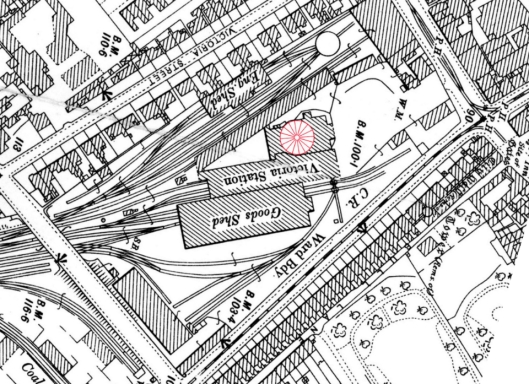
By the time Ranelagh/Victoria Gardens had become Victoria Station the main garden building, now wider, was situated between the two platforms. Here, Bill has placed the rotunda on a 1905 OS map.
1905 Norwich Victoria plan rotunda2.jpg

 OS map, redrawing courtesy of Bill Smith.

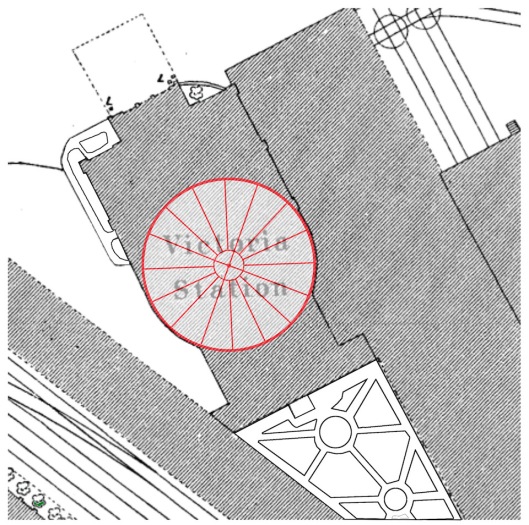
On a more detailed map of 1880 Bill was able to scale the rotunda to fit two circular segments of the building (the ’rounded corners’) and, using the 56½-inch gauge of the railway tracks as a standard, to calculate the rotunda’s diameter at around 74 feet.
Rotunda large scale2.jpg

The rotunda sized by Bill Smith to fit the rounded corners.

The panelled conical ceiling with its roof light therefore sits on what is almost certainly a circular rotunda, not an octagonal one. Samuel Neech may have recycled material from the old Norwich Pantheon for his own building but it seems quite clear that he didn’t stick to the original’s octagonal floor plan (and Berry’s Concise History of Norwich, 1811, describes the Pantheon as ‘octangular’). Bill’s evidence strongly indicates that The Pantheon was the large circular building so an ‘amphitheatre’ has to be something else. Indeed, Fawcett supports the idea of two separate buildings when he describes the layout after the Eastern Union Railway Company took over the gardens in 1849: “Station platforms were laid on either side of the Pantheon … The Amphitheatre became a ticket office and luggage room.” The amphitheatre would therefore be the rectangular building behind, and extending either side of, the entrance portico.
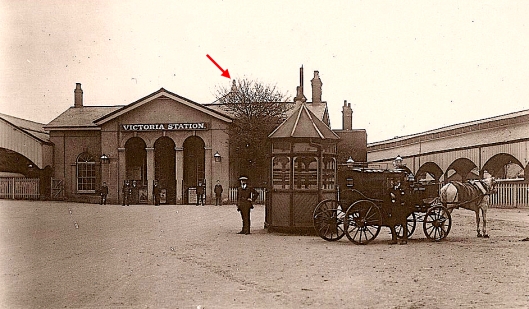
VicStation.001.jpeg

Norwich Victoria Station in the early 1900s. Behind the entrance portico is situated the Amphitheatre. The roof light of the Pantheon (arrowed) peeps out to the rear. Wikipedia, Creative Commons

Below, this aerial photograph from 1935 provides interesting insight into the layout of the station inherited from the Ranelagh/Victoria Gardens. First, to the left, is the entrance off St Stephens Road as shown in the photograph above. Next, perpendicular to this, comes the Amphitheatre with a pitched roof; this is followed by the rotunda/Pantheon; followed by a smaller building with a pitched roof; then a glimpse of the triangular garden illustrated in the larger scale map (two images above).
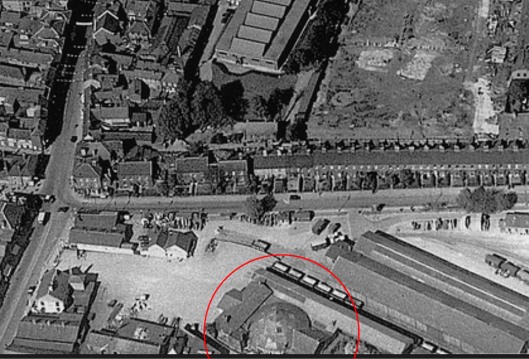
Rotunda 1935.jpg

1935 aerial map, ringed by Bill Smith to show the Pantheon at Norwich Victoria Station. From Flickr user ‘mira66’ [4], Creative Commons Licence CC BY-NC-SA 2.0

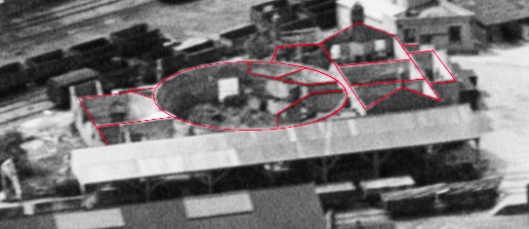
In 1946, just after the war, the buildings in the station complex were roofless, providing an accidental glimpse into the internal layout, illustrating the large rotunda/Pantheon at centre.
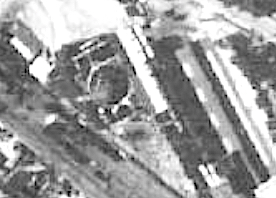
Rotunda 1946.jpg

1946 aerial survey ©Norfolk County Council

Update: After posting this article, Grant Young recommended another 1946 aerial photograph from ‘Britain from Above’, which shows the roofless station complex in greater detail [5].
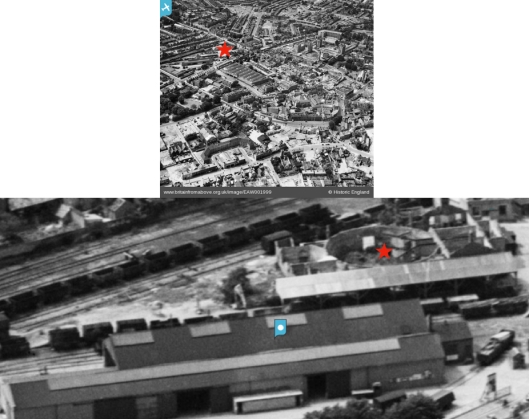
Pantheon Duo.001.jpg

The red star indicates the postwar Victoria Station on the site now occupied by Marsh Insurance. Below, the enlargement clearly shows the circular section of The Pantheon. ©Historic England/Britain from Above EAW001999

Bill then outlined the main compartments as far as possible.
1946 aerial outline.jpg

The plan drawn by Bill Smith

With this plan in mind it is now possible to walk ourselves through the rooms of the Ranelagh/Victoria Gardens as described in 1849 [3]:

“Two sides of the spacious area which presented itself on passing the entrance, to the west and the north were occupied with “boxes”, or “arbours”, where parties could sit, and enjoy their refreshments, or sip their wines, while they listened to the instrumental or vocal music … On the South, was a large room … used as a “Nine-pin-room”. It opened into a spacious and excellent bowling green. To the eastward, and nearly in the centre, of the grounds, stood a building, called ‘The Pantheon’. Over the entrance was an orchestra; and on each side of the entrance-passage were rooms, from the windows of which refreshments were supplied. The passage led to a spacious and lofty saloon, often converted into a ballroom; beyond this was an arena, which was, in the Assize-weeks, used as a Concert-room; at other times it was occasionally used as a circus … and anon a theatre … Beyond the Pantheon, the grounds were tastefully laid out, and several walks for promenading were constructed … The palmy days of these gardens is now fading fast … but there was a time, when they were the resort of our fashionable aristocracy; and the public breakfasts … were amongst the most gay and pleasant assemblages, that it was ever our good fortune to encounter.”

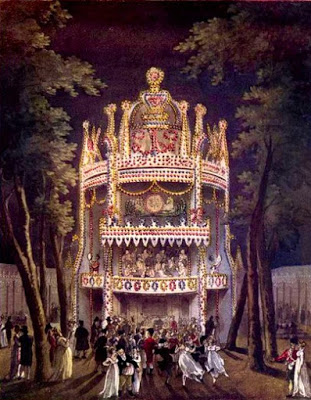
The illustration below gives a sense of these Gardens when they were ‘the resort of our fashionable aristocracy’.  [Added 7th March 2019]. 

Victoria Ranelagh Pleasure Gardens.jpg

©2019 Reggie Unthank

Sources

  1. https://colonelunthanksnorwich.com/2019/01/15/pleasure-gardens/
  2. Raymond Frostick (2011). The Printed Maps of Norfolk: a Carto-bibliography. Pub: Raymond Frostick.
  3. Trevor Fawcett (1972). The Norwich Pleasure Gardens In, Norfolk Archaeology vol 35, Pt 3, pp382-399.
  4. https://www.flickr.com/photos/21804434@N02/6652825845/in/photostream/
  5. https://britainfromabove.org.uk/en/image/EAW001999

Thanks. The idea for this supplementary post was prompted by Bill Smith’s key insights into Victoria Station and the buildings it had inherited from the Ranelagh/Victoria Gardens. Bill worked out where the Pantheon fitted into the station’s building plan and calculated its size; I am grateful to him for letting me reproduce his ideas. I also thank Grant Young for suggesting the final aerial view and Rosemary Dixon of the Archant Archives for the final print of Victoria Gardens.
Share this:

  • Click to share on Facebook (Opens in new window) Facebook
  • Click to share on X (Opens in new window) X
  • Click to share on Pinterest (Opens in new window) Pinterest
  • Click to email a link to a friend (Opens in new window) Email
  • Click to print (Opens in new window) Print
Like Loading...

Pleasure Gardens

15 Tuesday Jan 2019

Posted by reggie unthank in Norwich buildings, Norwich history

≈ 9 Comments

Tags

My Lord's Gardens, Pablo Fanque, Pleasure gardens, Quantrell's Gardens, Ranelagh Gardens Norwich, The Wilderness Norwich, Vauxhall Gardens Norwich

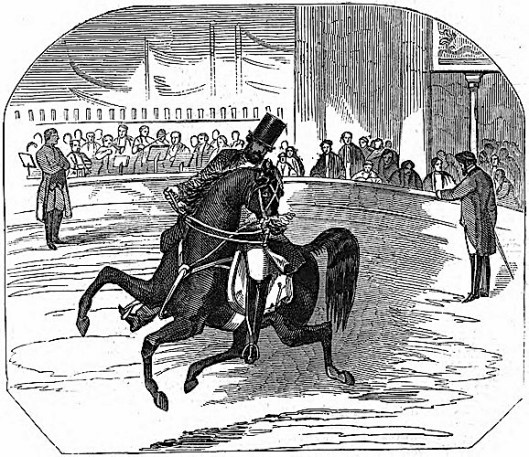
For over 200 years, Norwich’s pleasure gardens provided public recreation, from bowls and leisurely walks in the C17th to Pablo Fanque’s Fair in the C19th.

Pablo_Fanque.jpg

Pablo Fanque and steed from The Illustrated London News

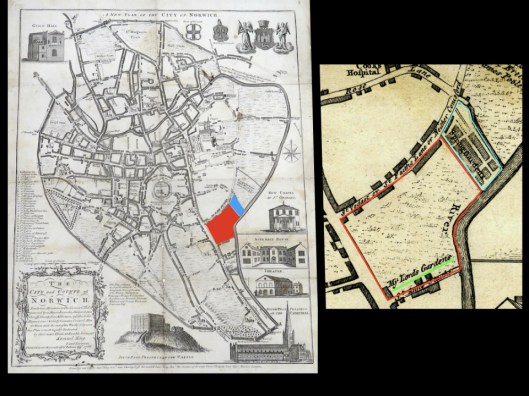
I ended the previous post with a passing mention of My Lord’s Gardens, a relic of the Dukes of Norfolk. Here it is, on Samuel King’s map of 1776, some 100 years after the gardener and diarist John Evelyn designed it for Henry Howard who – now that the dukedom had been restored by Charles II – was keen to re-establish his family’s presence in Norwich. This was to be the first of several pleasure gardens in Norwich.

MapsNew.jpg

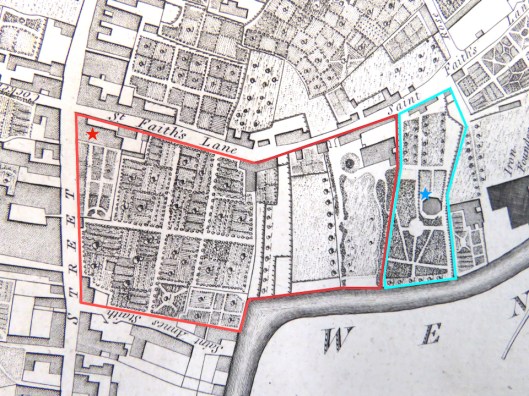
Between King Street and the bend in the river opposite the modern-day railway station were My Lord’s Gardens (outlined in red, the name underlined in green) and Spring Gardens (blue). From, A New Plan of the City of Norwich, by Samuel King 1766. Courtesy Norfolk Museums Service.

The Sixth Duke rebuilt his family’s frequently-flooded riverside palace near the present-day Duke St Car Park [see previous post] and, to compensate for its lack of recreational space, Evelyn was to lay out a garden on the other side of the city. Around 1663 the duke paid £600 for a plot on the site once occupied by the Austin Friars. This plot off King Street was to become the first pleasure garden outside London. Throughout the 1700s Norwich was one of a handful of cities, like Bath and Tunbridge Wells, where the rising ‘middling rank’ could enjoy provincial imitations of London’s fashionable pleasure gardens [1].

Dr Edward Browne (son of philosopher Thomas Browne) said My Lord’s Garden contained: “a place for walking and recreations, having made already walkes round and crosse it, forty foot in breadth. If the quadrangle left bee spatious enough hee intends the first of them for a fishpond, the second for a bowling green, the third for a wildernesse, and the forth for Garden.”

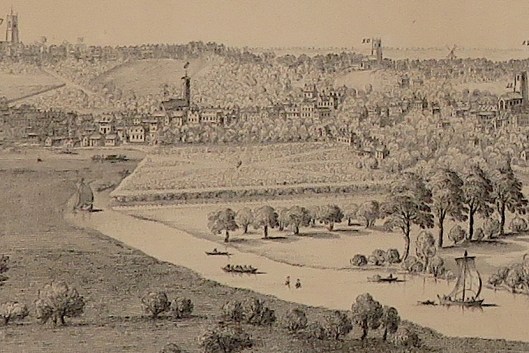
In 1681 Thomas Baskerville arrived at the garden by boat and ascended ‘some handsome stairs’ to be served ‘good liquors and fruits’ by the gardener. He saw a fair garden with a good bowling-green and many fine walks. We have no image of the garden in those early days and must glean what we can from later maps. Looking west towards King Street from the Thorpe side, this prospect of 1741 shows the area in the bend of the river occupied by My Lord’s Garden. The major feature is the formal parterre of what appear to be low hedges and shrubs in a ‘Union Jack’ pattern separated by densely-planted trees from the houses behind (King St). However, the map’s key reveals the barely visible ‘9‘ at the centre of the parterre to be Spring Gardens rather than My Lord’s Garden. Could the Bucks have been mistaken for none of the other maps show the smaller competitor occupying so much of the riverside leading up to King Street [1]?S&N Buck 1741Clipped2.jpg

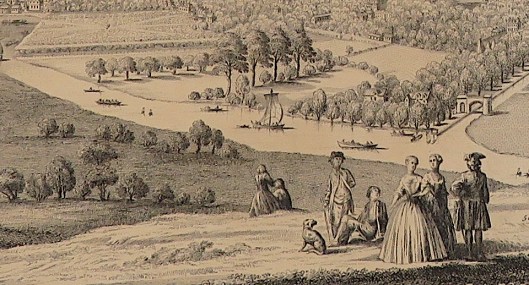
Samuel and Nathaniel Buck’s 1741 prospect of Norwich from the south-east. King Street runs left-right behind the garden. NWHCM:1922.125.4:M

Perhaps the gentlefolk surveying the city from high on the east bank would have been the sort of clientele attracted to My Lord’s Garden in the C18. S&N Buck Folk.jpg

Fifty years later, well after the Dukes of Norfolk had retreated to Arundel in Sussex, the portion of My Lord’s Garden closest to Howard House (red star) appears as a cluster of rectangular gardens with a large lawn. The bowling green was still around in 1770 [1], so might the rest of the now-public garden also adhere to the original plan or had it become kitchen gardens?

New Map copy960.jpg

My Lord’s Gardens (red) in 1789. Red star marks Howard House now being restored on King Street. Spring Gardens in blue, with the octagonal Pantheon marked with a blue star. Anthony Hochstetter’s map courtesy of Norfolk Record Office.

In 1772 the owner of My Lord’s Garden tried to outflank his newer competitors by building an artificial cascade modelled on the one at London’s Vauxhall, for public gardens now featured performance. There, water cascaded down to turn a watermill; the sound of rushing water was made by ‘mechanics’ turning a wheel to which tin panels were attached, making a noise that was sufficiently realistic to impress Charles Darwin’s grandfather Erasmus [2]. Norwich claimed a better cascade with the addition of swans while the sun and moon were made to move across the sky.

Vauxhall Gardens - from the Microcosm of London vol3.jpg

Vauxhall Gardens, from The Microcosm of London (1808-10). Courtesy [2].

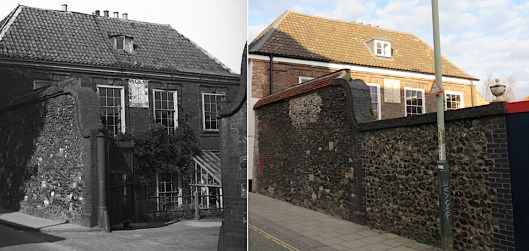
The only remaining vestige of My Lord’s Garden may be the wall on King Street, which George Plunkett [3] suggested to be the original boundary wall of the Austin Friars.

HowardHouseDuo.001.jpg

Howard House. Left: http://www.georgeplunkett.co.uk 1934; right, 2018. The gateway has been walled in but the same pattern of tumbled-in stone remains in the flint wall to the left.

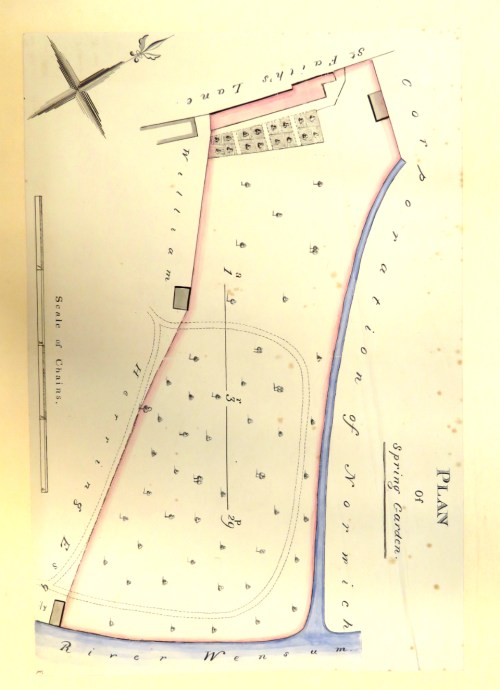
In 1739, John Moore designed the neighbouring New Spring Gardens as a place where ladies and gentlemen could promenade or take a pleasure boat and enjoy wines and cider, cakes and ale.

Spring Gdns.jpg

Map of Spring Garden(s) by City Surveyor WS Millard, early 1800s. The inlet was the East Creek that defined a boundary. Courtesy Norfolk Record Office

Moore named his garden after London’s New Spring Gardens [1], which were mentioned by Samuel Pepys and later – when renamed Vauxhall – visited by Becky Sharpe in Vanity Fair. Following suit, Norwich Spring Gardens were renamed Vauxhall Gardens in the late C18. Initially, Moore’s was a ‘rural garden’ where people could stroll through “a very curious Transparent Arch built in the Gothick taste”, no doubt aping London’s Vauxhall. But in 1768, in response to competitors, Moore’s widow began illuminating the garden and entertaining guests with music and fireworks.  Around 1776 the gardens were acquired by performer and scene painter James Bunn, which gives an idea of the increasing theatricality now expected of public pleasure gardens: what had started as a fashionable stroll had now become commodified entertainment. Bunn responded by building an octagonal 1000-seater Pantheon, named after the building on London’s Oxford Street [1].

HochstetterOctagon.jpg

Bunn’s octagonal Pantheon in New Spring Gardens, from Hochstetter’s map of 1789.

The Oxford Street Pantheon, designed by James Wyatt, was demolished as late as 1937 and is now the site of Marks and Spencer [4].

800px-Pantheon_painting,_probably_by_William_Hodges_with_figures_by_Zoffany_edited.jpg

The Pantheon, Oxford Street, London. Probably by Wm Hodges with added figures by Zoffany. The coffering (recessed panels) in the roof copy those in the Roman Pantheon. Wikimedia Commons

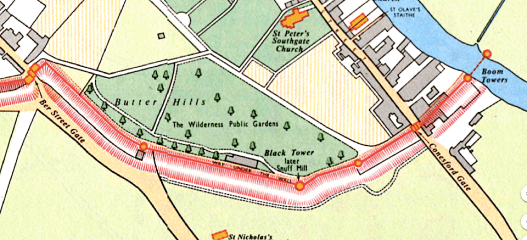
Situated on the hill between Bracondale and King Street, high above present-day Carrow Bridge, The Wilderness became the city’s third public garden – leased to Samuel Bruister in 1748, [1]. His wrestling matches would have attracted a less genteel clientele but in a few years – during Assize Week when circuit judges came to town – The Wilderness had raised its sights, competing with New Spring Gardens with public breakfasts and music. In practical terms a ‘wilderness’ suited the hilly terrain but was also more in tune with ideas of naturalistic landscape expounded by Capability Brown. However, when part of The Wilderness was re-opened as Richmond Hill Gardens ca 1812 it was primarily as a venue for fireworks [5].

Screen Shot 2018-12-18 at 21.38.22.png

The Wilderness Public Gardens were just inside the city walls on the east side of Bracondale, on the hill above King Street. There was a gravelled Long Walk beneath the city walls, up to the Black Tower and the Wilderness Tower. Norwich 1789. ©The Historic Towns Trust

IMG_0249.jpg

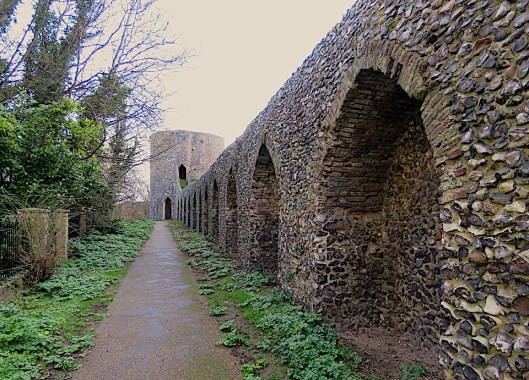
The Walk under the wall on top of Carrow Hill (entrance at top of Carrow Hill). The Black Tower in the distance

Wilderness Tower and Black Tower [2190] 1938-03-21.jpg

The ‘Wilderness Tower with Black Tower behind. ©www.georgeplunkett.co.uk

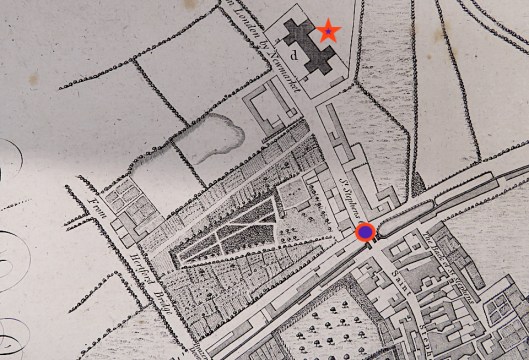
Between present-day Sainsbury’s on Queen’s Road and the St Stephens roundabout the fourth pleasure garden was to become the city’s most popular.

HochQuantrells.jpg

Quantrell’s Gardens (later Victoria Gardens) on Hochstetter’s map of 1789. The circle marks present-day St Stephens roundabout, the star marks the old Norfolk and Norwich Hospital.

Widow Smith’s Rural Gardens started ca 1763 as a nursery garden [1] but when she began to illuminate the grounds on Guild Days and to sell cider and nog, she set two men at the gate to keep out disagreeable persons; she also employed William Quantrell as engineer for her firework shows and before long he owned Quantrell’s Gardens. Competition was intense: My Lord’s Garden  had installed complex machinery to represent land and sea battles; The Wilderness had a “grand Piece of Machinery … to run 680 Yards upon a Line”; but Quantrell had Signor Pedralio’s “Globe 21 feet in Circumference which will turn round its Axis, and fall into four parts, and will discover Vulcan inside, who will be attended by his Cyclops … Vulcan’s (pyrotechnic) Cave and Forge and the Eruption of Mount Aetna.” When Spring Gardens poached Signor Pedralio, Quantrell’s riposte was to get Signor Antonio Batalus to “Fly across the Garden with Fire from different Parts of the Body [1].” Who wouldn’t pay good money to see that?

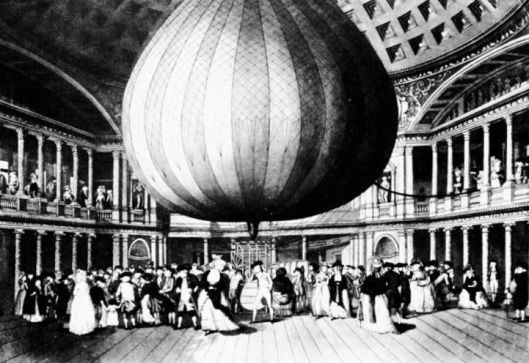
After the first manned balloon flight was made in France in 1783, England experienced Balloon Mania. The following year Bunn’s balloon floated quite happily inside his Norwich Pantheon, but when taken outside was quickly lost in a shower of hail.

Patheon_Lunardi's_Balloon.jpg

Vincento Lunardi’s balloon in the London Pantheon. Wikimedia Commons

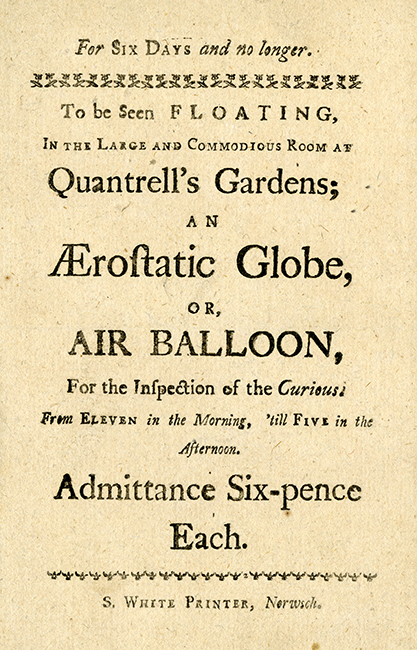
In 1785, Quantrell won this contest by hosting a balloon ascent by James Decker (or Deeker) with a 13-year-old girl as passenger. The balloon was damaged in a squall, Miss Weller was left behind but Decker ascended and came down safely near Loddon [1]. In his diary, Parson Woodforde mentions that the balloon passed over him as he stood on Brecondale (sic) Hill.Quantrills30129065958846.jpg

Courtesy Norfolk County Council, at Picture Norfolk

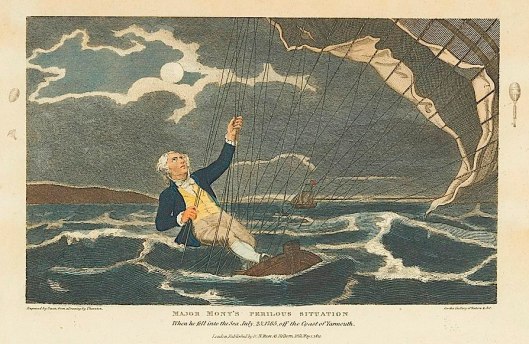
And it was from Quantrell’s that Major John Money made his famous balloon flight in 1785. In trying to raise funds for the nearby Norfolk and Norwich Hospital, the major took off only to be carried away by an ‘improper current’. He descended into the sea off Yarmouth in which he was immersed for seven hours before rescue [see earlier post 6].

1024px-Major_Mony's_Perilous_Situation_When_he_fell_into_the_Sea_July,_23,_1785,_off_the_Coast_of_Yarmouth_NASM-745A8AFD32D22_001.jpg

Proto-windsurfer Major John Money, off the coast of Yarmouth. 

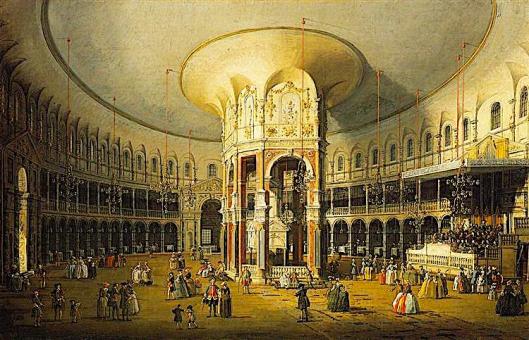
At the end of the C18 Quantrell’s Gardens came into the hands of Samuel Neech who renamed it Ranelagh Gardens, after the pleasure gardens in Chelsea. From Canaletto’s painting of the London resort it is hard to believe that its Norwich counterpart was anything like as ambitious.

the-interior-of-the-rotunda-ranelagh-gardens.jpg!Large.jpg

The interior of the Rotunda, Ranelagh Gardens, London. c1751 Canaletto.

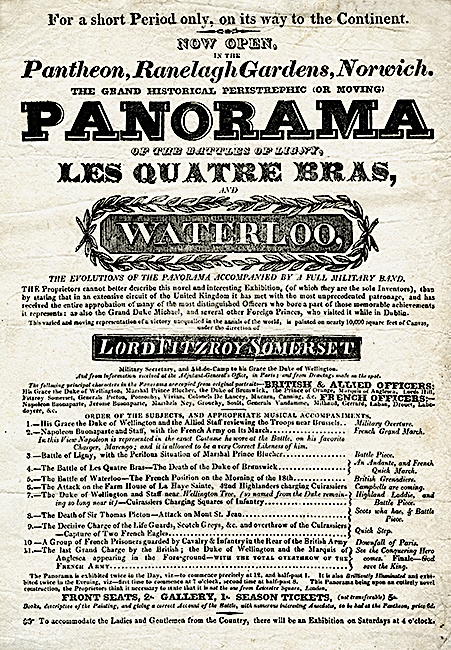
Confusingly, the advertisement below places the Norwich Pantheon in Ranelagh and not at the Vauxhall/Spring Gardens but this was because Neech had bought The Pantheon from the defunct Norwich Vauxhall and erected it on his own site, to add to his Amphitheatre.

Ranelagh30129075889361.jpg

Courtesy Norfolk County Council, at Picture Norfolk

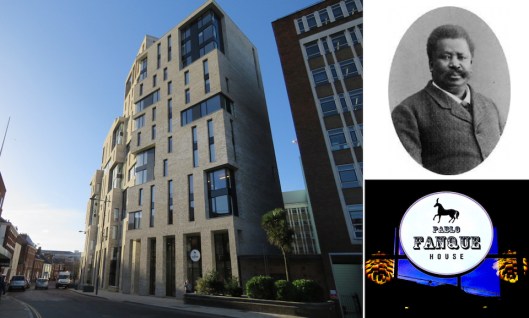
Just before Ranelagh Gardens closed it had contained a circus operated by William Darby of Ber Street, known as Pablo Fanque, whose circus was celebrated in The Beatles’ Sergeant Pepper album – ‘Being for the Benefit of Mr Kite’ [7]. Rather wonderfully, his name is commemorated in the new Pablo Fanque House on All Saints Green, providing student accommodation.

FanqueTrio.001.jpg

Pablo Fanque House in All Saints Green, opposite John Lewis. Portrait of equestrian and circus owner William Darby aka Pablo Fanque

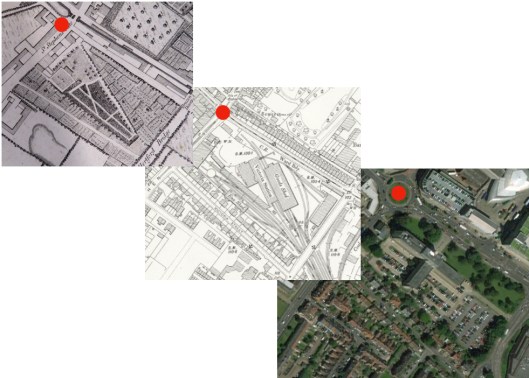
In 1849, Ranelagh Gardens (Royal Victoria Gardens since 1842) were closed and sold to the Eastern Union Railway Company who built platforms either side of The Pantheon.

TryThis.001.jpg

Top left, Quantrell’s Gardens 1789; Centre, OS map of Victoria Station 1905; Lower right, Marsh Insurance Ltd C21. The St Stephens roundabout (red circle) with Queen’s Road to the right. Latter two images reproduced by permission of the National Library of Scotland

Pantheon30129028206374.jpg

The Booking Office of Norwich Victoria Station 1913. Could this be The Norwich Pantheon? Courtesy Norfolk County Council, at Picture Norfolk

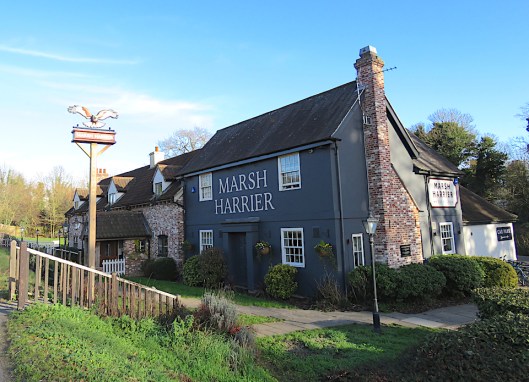
Other smaller pleasure gardens grew up around Norwich in the C19: some as tea gardens, some attached to public houses; e.g., The Mussel Tea Gardens in Telegraph Lane, Thorpe; The Greyhound Gardens on the east side of Ber Street; The West End Retreat, Heigham; The Gibraltar Gardens, Heigham Street – all providing breathing space from the crowded city, [8]. Prussia Gardens at Harford Bridge was a popular venue where, in 1815, balloons were still in fashion: a Mr Steward took off but only ‘skimmed and skimmed and skimmed and skimmed’, to stop 500 yards away. In WWI some soldiers removed the pub sign bearing the King of Prussia’s head, prompting the patriotic change of name to the King George. It is now the Marsh Harrier.

MarshHarrier.jpg

The Marsh Harrier PH, the site of Bensley’s Rural Gardens at the King of Prussia. Was it Glen Miller who took over the piano one night during WWII? [9].

A clue to the demise of public pleasure gardens in general can be found in the demise of Norwich’s Ranelagh/Victoria Gardens, literally subsumed beneath the railway that led to the rise of seaside resorts and changed the public’s perception of leisure.

©2019 Reggie Unthank

Now in its fourth printing, available from Jarrolds Book Department or online (click here) and the City Bookshop, Davey Place, Norwich (or click here).

Sources

  1. Trevor Fawcett (1972). The Norwich Pleasure Gardens. Norfolk Archaeology vol XXXV, part III pp382-399. (The well-researched standard text).
  2. https://www.regencyhistory.net/2015/10/the-cascade-at-vauxhall-gardens.html (An excellent blog post about The Cascade at London’s Vauxhall Gardens by Rachel Knowles).
  3. http://www.georgeplunkett.co.uk/Norwich/kin.htm#Kings
  4. https://en.wikipedia.org/wiki/Pantheon,_London
  5. Sarah Jane Downing (1988). The English Pleasure Garden 1660-1860. Shire Publications.
  6. https://colonelunthanksnorwich.com/2016/12/01/entertainment-victorian-style/
  7. http://www.100greatblackbritons.com/bios/Pablo_Fanque.htm
  8. Walter Wicks (1925). Inns and Taverns of Old Norwich, With Notes on Pleasure Gardens. Pub: Page Bros (Norwich).
  9. http://www.norfolkpubs.co.uk/norwich/knorwich/nckge2.htm

Thanks to Jill Napier (née Quantrell) for suggesting this post about her ancestor. I am grateful to Clare Everitt of Picture Norfolk for permission to use images.

Share this:

  • Click to share on Facebook (Opens in new window) Facebook
  • Click to share on X (Opens in new window) X
  • Click to share on Pinterest (Opens in new window) Pinterest
  • Click to email a link to a friend (Opens in new window) Email
  • Click to print (Opens in new window) Print
Like Loading...

Enter your email address to follow this blog and receive notifications of new posts by email.

Recent Posts

  • Gothick Norwich
  • The Sons of Flora
  • The United Friars: Charity and Enquiry in the Age of Reason
  • Plans for a Fine City
  • Three Unthank books in print

Recent Comments

Jonathan Dutton's avatarJonathan Dutton on The Nursery Fields of Eat…
Jacqui edgar's avatarJacqui edgar on Two Bs or not two Bs? Norfolk…
Unknown's avatarJapan goes on show |… on Jeckyll and the sunflower…
reggie unthank's avatarreggie unthank on Gothick Norwich
huroncityradio's avatarhuroncityradio on Gothick Norwich

Archives

  • December 2023
  • October 2023
  • April 2023
  • January 2023
  • November 2022
  • October 2022
  • July 2022
  • March 2022
  • February 2022
  • January 2022
  • December 2021
  • November 2021
  • October 2021
  • September 2021
  • August 2021
  • July 2021
  • June 2021
  • May 2021
  • April 2021
  • March 2021
  • February 2021
  • January 2021
  • December 2020
  • November 2020
  • October 2020
  • September 2020
  • August 2020
  • July 2020
  • June 2020
  • May 2020
  • April 2020
  • March 2020
  • February 2020
  • January 2020
  • December 2019
  • November 2019
  • October 2019
  • September 2019
  • August 2019
  • July 2019
  • June 2019
  • May 2019
  • April 2019
  • March 2019
  • February 2019
  • January 2019
  • December 2018
  • November 2018
  • October 2018
  • September 2018
  • August 2018
  • July 2018
  • June 2018
  • May 2018
  • April 2018
  • March 2018
  • February 2018
  • January 2018
  • December 2017
  • November 2017
  • October 2017
  • September 2017
  • August 2017
  • July 2017
  • June 2017
  • May 2017
  • April 2017
  • March 2017
  • February 2017
  • January 2017
  • December 2016
  • November 2016
  • October 2016
  • September 2016
  • August 2016
  • July 2016
  • June 2016
  • May 2016
  • April 2016
  • March 2016
  • February 2016
  • January 2016
  • December 2015

Categories

  • Aesthetic Movement
  • Amelia Opie
  • Art
  • Art Nouveau
  • Arts and Crafts
  • Decorative Arts
  • James Minns carver
  • Linnean Society
  • Norwich architect
  • Norwich Banking
  • Norwich buildings
  • Norwich Department Stores
  • Norwich history
  • Norwich libraries
  • Norwich maps
  • Norwich parks
  • Norwich School of Painters
  • Norwich streets
  • Paston Letters
  • River Wensum history
  • Shutter Telegraph
  • Sir Thomas Browne
  • Stained Glass
  • The Royal Society
  • Uncategorized

Meta

  • Create account
  • Log in
  • Entries feed
  • Comments feed
  • WordPress.com

Recent Posts

  • Gothick Norwich
  • The Sons of Flora
  • The United Friars: Charity and Enquiry in the Age of Reason
  • Plans for a Fine City
  • Three Unthank books in print

Recent Comments

Jonathan Dutton's avatarJonathan Dutton on The Nursery Fields of Eat…
Jacqui edgar's avatarJacqui edgar on Two Bs or not two Bs? Norfolk…
Unknown's avatarJapan goes on show |… on Jeckyll and the sunflower…
reggie unthank's avatarreggie unthank on Gothick Norwich
huroncityradio's avatarhuroncityradio on Gothick Norwich

Archives

  • December 2023
  • October 2023
  • April 2023
  • January 2023
  • November 2022
  • October 2022
  • July 2022
  • March 2022
  • February 2022
  • January 2022
  • December 2021
  • November 2021
  • October 2021
  • September 2021
  • August 2021
  • July 2021
  • June 2021
  • May 2021
  • April 2021
  • March 2021
  • February 2021
  • January 2021
  • December 2020
  • November 2020
  • October 2020
  • September 2020
  • August 2020
  • July 2020
  • June 2020
  • May 2020
  • April 2020
  • March 2020
  • February 2020
  • January 2020
  • December 2019
  • November 2019
  • October 2019
  • September 2019
  • August 2019
  • July 2019
  • June 2019
  • May 2019
  • April 2019
  • March 2019
  • February 2019
  • January 2019
  • December 2018
  • November 2018
  • October 2018
  • September 2018
  • August 2018
  • July 2018
  • June 2018
  • May 2018
  • April 2018
  • March 2018
  • February 2018
  • January 2018
  • December 2017
  • November 2017
  • October 2017
  • September 2017
  • August 2017
  • July 2017
  • June 2017
  • May 2017
  • April 2017
  • March 2017
  • February 2017
  • January 2017
  • December 2016
  • November 2016
  • October 2016
  • September 2016
  • August 2016
  • July 2016
  • June 2016
  • May 2016
  • April 2016
  • March 2016
  • February 2016
  • January 2016
  • December 2015

Categories

  • Aesthetic Movement
  • Amelia Opie
  • Art
  • Art Nouveau
  • Arts and Crafts
  • Decorative Arts
  • James Minns carver
  • Linnean Society
  • Norwich architect
  • Norwich Banking
  • Norwich buildings
  • Norwich Department Stores
  • Norwich history
  • Norwich libraries
  • Norwich maps
  • Norwich parks
  • Norwich School of Painters
  • Norwich streets
  • Paston Letters
  • River Wensum history
  • Shutter Telegraph
  • Sir Thomas Browne
  • Stained Glass
  • The Royal Society
  • Uncategorized

Meta

  • Create account
  • Log in
  • Entries feed
  • Comments feed
  • WordPress.com

Recent Posts

  • Gothick Norwich
  • The Sons of Flora
  • The United Friars: Charity and Enquiry in the Age of Reason
  • Plans for a Fine City
  • Three Unthank books in print

Recent Comments

Jonathan Dutton's avatarJonathan Dutton on The Nursery Fields of Eat…
Jacqui edgar's avatarJacqui edgar on Two Bs or not two Bs? Norfolk…
Unknown's avatarJapan goes on show |… on Jeckyll and the sunflower…
reggie unthank's avatarreggie unthank on Gothick Norwich
huroncityradio's avatarhuroncityradio on Gothick Norwich

Archives

  • December 2023
  • October 2023
  • April 2023
  • January 2023
  • November 2022
  • October 2022
  • July 2022
  • March 2022
  • February 2022
  • January 2022
  • December 2021
  • November 2021
  • October 2021
  • September 2021
  • August 2021
  • July 2021
  • June 2021
  • May 2021
  • April 2021
  • March 2021
  • February 2021
  • January 2021
  • December 2020
  • November 2020
  • October 2020
  • September 2020
  • August 2020
  • July 2020
  • June 2020
  • May 2020
  • April 2020
  • March 2020
  • February 2020
  • January 2020
  • December 2019
  • November 2019
  • October 2019
  • September 2019
  • August 2019
  • July 2019
  • June 2019
  • May 2019
  • April 2019
  • March 2019
  • February 2019
  • January 2019
  • December 2018
  • November 2018
  • October 2018
  • September 2018
  • August 2018
  • July 2018
  • June 2018
  • May 2018
  • April 2018
  • March 2018
  • February 2018
  • January 2018
  • December 2017
  • November 2017
  • October 2017
  • September 2017
  • August 2017
  • July 2017
  • June 2017
  • May 2017
  • April 2017
  • March 2017
  • February 2017
  • January 2017
  • December 2016
  • November 2016
  • October 2016
  • September 2016
  • August 2016
  • July 2016
  • June 2016
  • May 2016
  • April 2016
  • March 2016
  • February 2016
  • January 2016
  • December 2015

Categories

  • Aesthetic Movement
  • Amelia Opie
  • Art
  • Art Nouveau
  • Arts and Crafts
  • Decorative Arts
  • James Minns carver
  • Linnean Society
  • Norwich architect
  • Norwich Banking
  • Norwich buildings
  • Norwich Department Stores
  • Norwich history
  • Norwich libraries
  • Norwich maps
  • Norwich parks
  • Norwich School of Painters
  • Norwich streets
  • Paston Letters
  • River Wensum history
  • Shutter Telegraph
  • Sir Thomas Browne
  • Stained Glass
  • The Royal Society
  • Uncategorized

Meta

  • Create account
  • Log in
  • Entries feed
  • Comments feed
  • WordPress.com

Enter your email address to follow this blog and receive notifications of new posts by email. It's free, no junk.

Join 722 other subscribers

Recent Posts

  • Gothick Norwich
  • The Sons of Flora
  • The United Friars: Charity and Enquiry in the Age of Reason
  • Plans for a Fine City
  • Three Unthank books in print
  • The new Colonel Unthank’s Norwich book #3
  • Female Suffrage in Norwich
  • Norfolk Rood Screens
  • Norwich Guides: Ancient and Modern
  • Chapel in the Fields
  • Noël Spencer’s Norwich
  • Georgian Norwich
  • Cecil Upcher: soldier and architect
  • Sculptured Monuments #2
  • Sculptured Monuments
  • Madness
  • New Book: Colonel Unthank’s Norwich
  • AF Scott, Architect:conservative or pioneer?
  • Norwich Department Stores
  • Revolutionary Norwich
  • Parson Woodforde and the Learned Pig
  • A postscript on Eaton Nurseries
  • The Nursery Fields of Eaton
  • Vanishing Plains
  • Parson Woodforde goes to market
  • Norwich, City of the Plains
  • The Plains of Norwich
  • Twentieth Century Norwich Buildings
  • Thomas Browne’s World
  • The angel’s bonnet
  • After the Norwich School
  • A few of my favourite buildings
  • James Minns, carver
  • The Norwich Banking Circle
  • Behind Mrs Opie’s medallion
  • Norwich: shaped by fire
  • Street Names #2
  • Street names
  • The Norwich School of Painters
  • Going Dutch: The Norwich Strangers
  • The Captain’s Parks
  • Norfolk’s Napoleonic Telegraph
  • Catherine Maude Nichols
  • The Norfolk Botanical Network
  • City Hall Doors # 2
  • City Hall Doors # 1
  • Late Extra: The Norwich Pantheon
  • Pleasure Gardens
  • The absent Dukes of Norfolk
  • Nairn on Norwich
  • The Norwich Way of Death
  • Norwich: City of Trees
  • The Bridges of Norwich Part 2: Around the bend
  • The Bridges of Norwich 1: The blood red river
  • Norwich knowledge (libraries)
  • Street furniture: palimpsests
  • Putting Norwich on the map
  • Clocks
  • Faces
  • The Norwich coat of arms
  • New book: Colonel Unthank and the Golden Triangle
  • The Pastons in Norwich
  • Reggie through the underpass
  • Gildencroft and Psychogeography
  • Bullards’ Brewery
  • Post-medieval Norwich churches
  • The end of the Unthank mystery?
  • Barnard Bishop and Barnards
  • Public art, private meanings
  • Colonel Unthank rides again

Archives

  • December 2023
  • October 2023
  • April 2023
  • January 2023
  • November 2022
  • October 2022
  • July 2022
  • March 2022
  • February 2022
  • January 2022
  • December 2021
  • November 2021
  • October 2021
  • September 2021
  • August 2021
  • July 2021
  • June 2021
  • May 2021
  • April 2021
  • March 2021
  • February 2021
  • January 2021
  • December 2020
  • November 2020
  • October 2020
  • September 2020
  • August 2020
  • July 2020
  • June 2020
  • May 2020
  • April 2020
  • March 2020
  • February 2020
  • January 2020
  • December 2019
  • November 2019
  • October 2019
  • September 2019
  • August 2019
  • July 2019
  • June 2019
  • May 2019
  • April 2019
  • March 2019
  • February 2019
  • January 2019
  • December 2018
  • November 2018
  • October 2018
  • September 2018
  • August 2018
  • July 2018
  • June 2018
  • May 2018
  • April 2018
  • March 2018
  • February 2018
  • January 2018
  • December 2017
  • November 2017
  • October 2017
  • September 2017
  • August 2017
  • July 2017
  • June 2017
  • May 2017
  • April 2017
  • March 2017
  • February 2017
  • January 2017
  • December 2016
  • November 2016
  • October 2016
  • September 2016
  • August 2016
  • July 2016
  • June 2016
  • May 2016
  • April 2016
  • March 2016
  • February 2016
  • January 2016
  • December 2015

Follow me on Twitter

My Tweets

previous posts

  • About
  • Colonel Unthank and the Golden Triangle (Unthank #1)
  • Colonel Unthank’s Norwich #2
  • Contact
  • Latest Colonel Unthank’s Norwich Book #3
  • Posts

Blog at WordPress.com.

  • Subscribe Subscribed
    • COLONEL UNTHANK'S NORWICH
    • Join 722 other subscribers
    • Already have a WordPress.com account? Log in now.
    • COLONEL UNTHANK'S NORWICH
    • Subscribe Subscribed
    • Sign up
    • Log in
    • Report this content
    • View site in Reader
    • Manage subscriptions
    • Collapse this bar
 

Loading Comments...
 

    %d